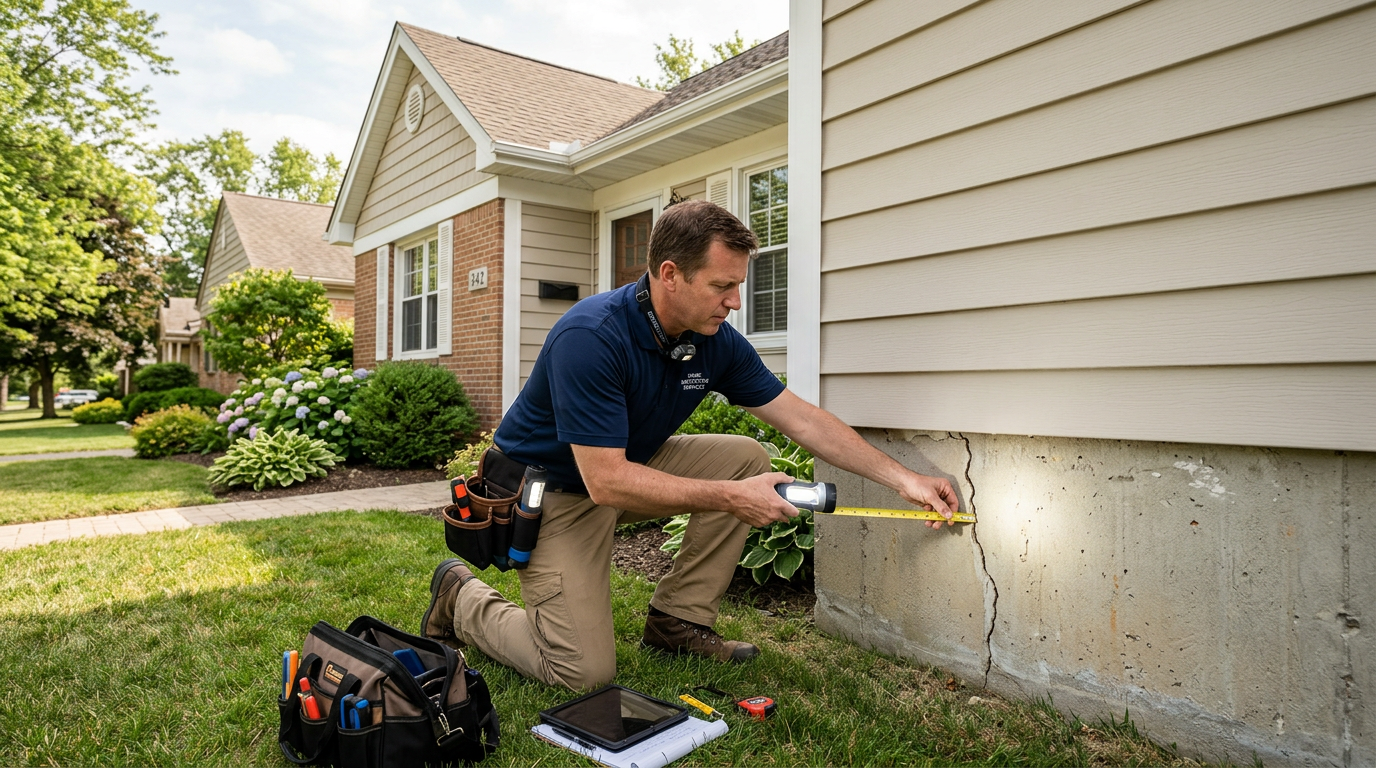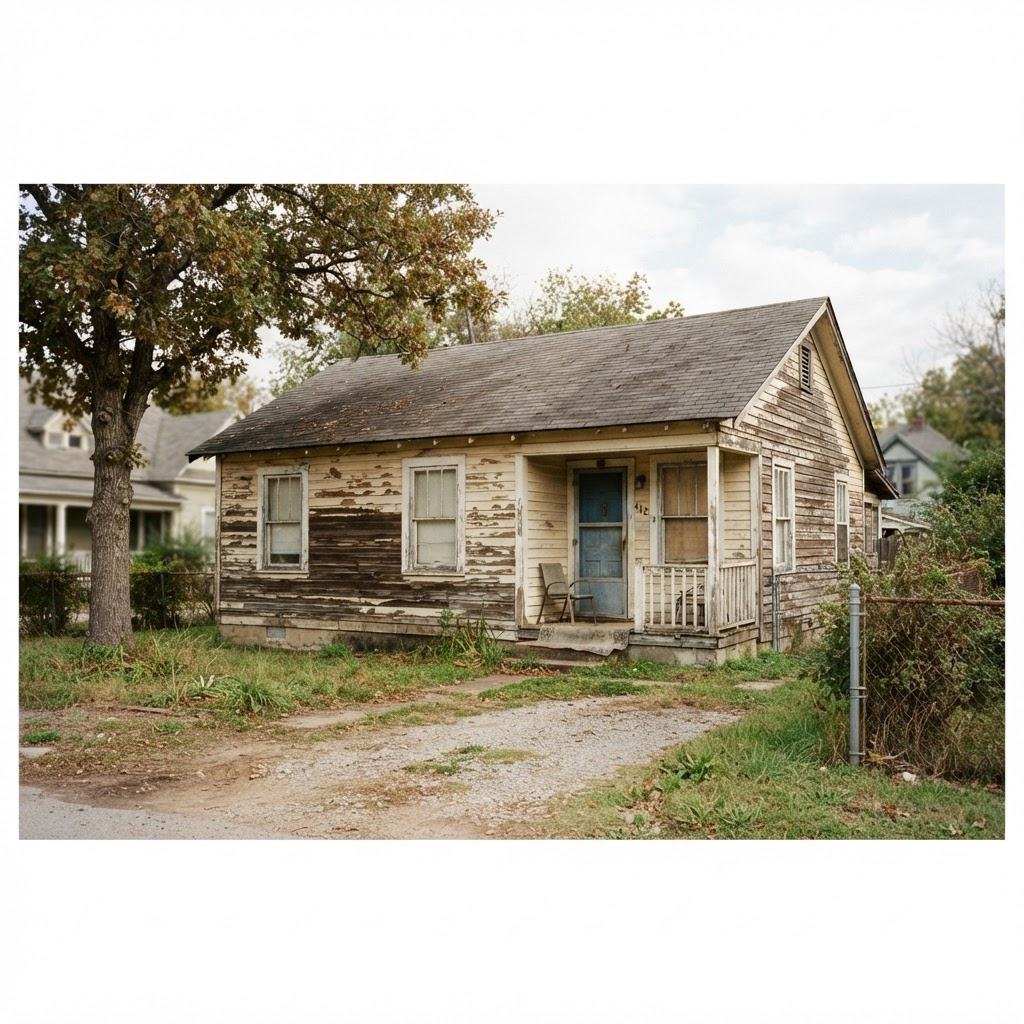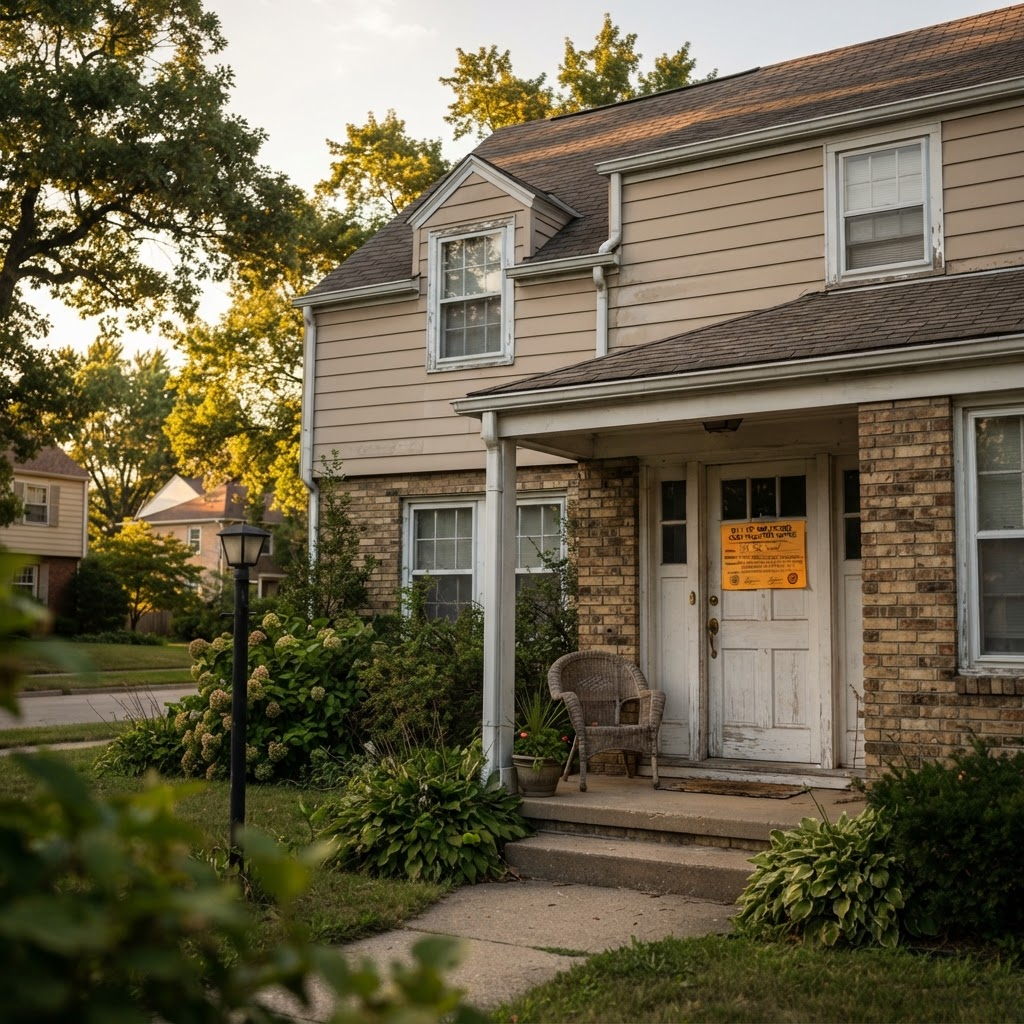
Receiving a code violation notice can make a homeowner feel as though the property is impossible to sell. In many cases, it is not. A house with code violations can often be sold, but the violations must be identified, disclosed when required, and handled correctly during the title and closing process.
The best path depends on the type of violation, the amount of time you have, whether fines or liens have been recorded, and how much money you are willing to invest before selling.
What Is a Code Violation?
A code violation means a local government believes a property does not meet a building, safety, zoning, maintenance, or occupancy requirement. Rules vary by city and county, so the same condition may be treated differently in different locations.
- Unpermitted additions, garage conversions, electrical work, or plumbing work
- Unsafe stairs, missing handrails, exposed wiring, or structural damage
- Overgrown lots, trash accumulation, broken windows, or exterior deterioration
- Illegal occupancy, zoning problems, or too many dwelling units
- Vacant-property registration violations or failure to secure the home
- Open permits that were never inspected or finalized
Can a House Be Sold Before the Violations Are Fixed?
Often, yes. A violation usually affects how the property is sold rather than eliminating the owner's ability to sell it. A traditional retail buyer may struggle to obtain financing or insurance when serious safety issues, open permits, or unpermitted work exist. A cash buyer can evaluate the property in its current condition and plan to correct the issues after closing. If you are not sure how a no-repair sale works, see our simple three-step process.
Some municipalities require certain violations to be corrected before ownership transfers. Others allow the buyer to sign an agreement accepting responsibility. Because local rules are different, the title company, closing attorney, or local code department should confirm the exact requirement.
Do Code Violations Become Liens?
Unpaid fines, cleanup charges, inspection fees, or daily penalties may become a lien against the property. A recorded lien normally must be addressed before the buyer can receive clear title. That does not necessarily mean the homeowner must pay everything out of pocket before listing the property.
In many transactions, the title company obtains a payoff amount and pays the lien from the seller's proceeds at closing. If the amount is disputed or larger than the available equity, the seller may need to request a reduction, payment arrangement, or negotiated release.
Your Three Main Selling Options
1. Repair the violations and list traditionally
This route may produce the highest retail price when the property is otherwise in good condition. It also requires money, contractors, permits, inspections, and enough time to satisfy the city before listing or closing.
2. List the property as-is
An agent can market the home as-is, but financed buyers may still request repairs or lose loan approval. The property may attract investors, although the listing process can involve showings, inspections, price reductions, and uncertainty. Our guides on selling as-is walk through what to expect.
3. Sell directly to an experienced cash buyer
A direct cash sale can remove the need to complete repairs before closing. The buyer evaluates the violations, estimates the cure cost, and makes an offer based on the home's current condition. This is often the simplest option when deadlines, fines, major repairs, or an unsafe vacant property are involved.
What to Gather Before Requesting an Offer
- The violation notice and every page attached to it
- The name and phone number of the assigned inspector
- Any permits, plans, contractor bids, or prior inspection reports
- The current fine, lien, or payoff amount
- The compliance deadline and any hearing date
Providing the full paperwork early helps a buyer and title company determine what must happen before closing. Hiding the notice usually creates delays later.
The Bottom Line
A code violation can make a sale more complicated, but it does not automatically make the home unsellable. The key is to identify the violation, determine whether a lien exists, and choose a selling method that matches your time, budget, and risk tolerance.
Selling as-is may be especially useful when the repair cost is uncertain, the property is vacant, or daily fines are increasing. When you are ready, you can request a no-obligation cash offer and we will review the violations with you.
This article provides general information. Local code, disclosure, title, and transfer requirements vary by jurisdiction.
Ready to explore your options?
Get a fair, no-obligation cash offer in 24 hours. No repairs, no fees, no pressure — close on your timeline.
Get My Cash OfferFrequently Asked Questions
Do I have to tell a buyer about code violations?
Disclosure requirements vary by state, but known material problems and official notices often must be disclosed. Provide the notice to your real estate professional, attorney, title company, and buyer.
Can a cash buyer purchase a house with open permits?
Often, yes. The buyer may agree to complete the work after closing, but the city and title company must confirm that the transfer is allowed.
Will MVP Capital Homes buy a property with code violations?
We review homes with open violations, unpermitted work, liens, and major repairs. The property and local requirements must be evaluated before an offer is finalized.
MVP Capital Homes
Acquisitions Team — helping homeowners sell fast and fairly in any situation.